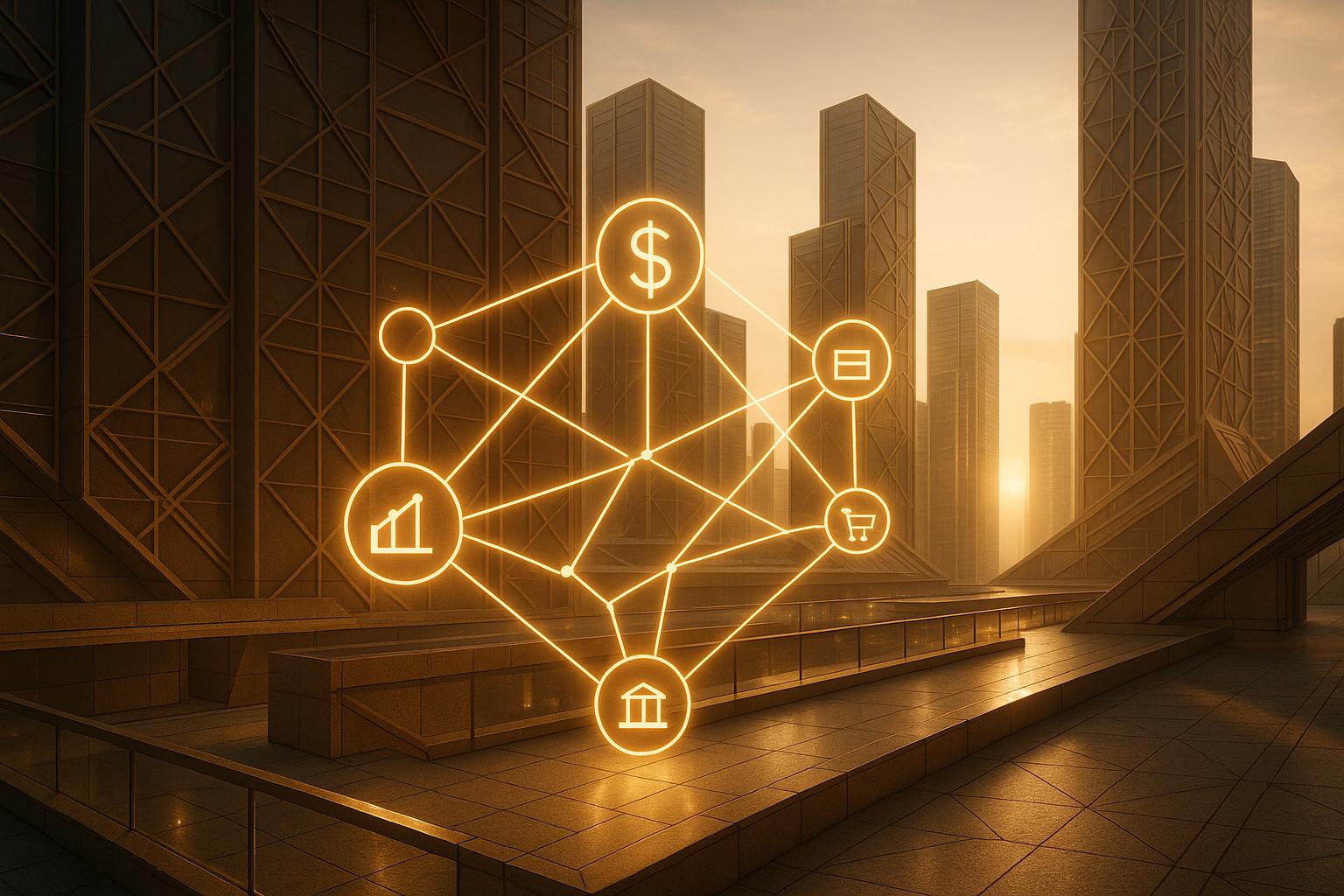

Keeping users engaged in Web3 is challenging because they can easily switch platforms. The solution? Reward loops. These systems encourage users to take actions by offering incentives like tokens or NFTs, creating a cycle of engagement and value accumulation.
Here’s the key to success:
Rewards must align with platform goals. For example, rewarding liquidity provision in DeFi or daily logins in Web3 games.
Sustainability is critical. Avoid token inflation by balancing reward distribution with long-term platform health.
Psychology matters. Go beyond financial incentives - tap into users’ desire for community, recognition, and achievement.
Utility is king.Tokens should have real use cases like governance rights or staking benefits. NFTs can combine monetary and non-monetary perks, such as exclusive access or milestone recognition.
Make it simple. Easy-to-understand systems, low transaction costs, and clear communication keep users engaged.
Why it works: When users feel rewarded and connected to the platform’s success, they stay loyal - even during tough times. This approach transforms casual participants into invested stakeholders, driving long-term growth and engagement.
Reward Loop Basics
What Are Reward Loops?
A reward loop is a process designed to encourage users to repeat specific actions by offering them incentives. The idea is simple: users take an action, receive a reward, and feel motivated to do it again. In the Web3 space, these loops not only provide instant gratification but also allow users to accumulate value over time.
Here’s how it works: trigger → action → reward → motivation to repeat. For instance, a notification about earning tokens might prompt a user to complete a transaction. In return, they receive tokens or NFTs, which encourages them to stay engaged. Over time, this cycle builds a pattern of consistent participation.
What sets Web3 reward loops apart is ownership. Unlike traditional digital rewards, Web3 rewards like tokens or NFTs can be owned, traded, or even used across multiple platforms. This ownership transforms rewards into assets with the potential to grow in value, making them far more enticing than typical digital incentives.
Grasping the basics of this cycle lays the groundwork for understanding the principles that make Web3 reward loops effective.
Key Principles of Web3 Reward Loops
Several principles underpin successful Web3 reward systems, and they all work together to maximize user engagement and retention.
Transparency is a cornerstone of Web3 rewards. Traditional platforms often keep their reward mechanisms hidden, but Web3 thrives on openness. With smart contracts, users can see exactly how rewards are calculated and distributed. This level of trust is a game-changer, as anyone can verify the system on-chain.
Scarcity and utility go hand in hand to create value. Rewards need to strike a balance - scarce enough to feel worthwhile but not so rare that users lose interest. The real magic happens when rewards serve a clear purpose, like governance tokens that grant voting rights. A reward with actual utility is far more engaging than one without a clear use.
Progressive difficulty ensures users stay interested over time. Start by offering simple, easy-to-earn rewards, then gradually increase the complexity of tasks as users become more engaged. This approach keeps things challenging without being overwhelming, avoiding boredom or frustration.
Community integration takes the experience to the next level. Whether it’s sharing achievements, competing on leaderboards, or working together for group rewards, the social element adds a layer of connection. Users begin to see themselves as part of a larger community, which amplifies the satisfaction of earning rewards.
Sustainability is essential for long-term success. Reward systems must carefully balance how quickly rewards are distributed with the platform's ability to maintain value. If rewards are handed out too liberally, token inflation can erode their worth, ultimately driving users away rather than keeping them engaged.
With these principles in mind, utility tokens and NFTs add even more depth to Web3 reward systems.
How Utility Tokens and NFTs Work in Reward Systems
Utility tokens are the backbone of most Web3 reward systems because they can serve multiple purposes at once. These tokens might act as rewards, grant governance rights, provide access to premium features, or even function as a store of value. For example, users might earn tokens by providing liquidity, then use those same tokens to vote on proposals, access exclusive features, or stake them for additional rewards. Each of these uses reinforces the token’s value and gives users more reasons to hold onto their rewards instead of selling them right away.
NFTs bring a unique twist to reward systems by offering non-fungible, one-of-a-kind rewards. These can represent anything from achievements and collectibles to access rights. Unlike tokens, which are interchangeable, each NFT is distinct and can include metadata that highlights a user’s accomplishments or status within a platform.
The appeal of NFTs lies in their ability to combine monetary and non-monetary value. For instance, an NFT might commemorate a major milestone while also granting perks like discounted transaction fees, access to exclusive events, or enhanced voting power in governance decisions. This blend of tangible and intangible benefits makes NFT rewards especially engaging.
Dynamic rewards add another layer of sophistication by adapting to user behavior or market conditions. For example, staking rewards might increase during periods of low activity to encourage participation, or NFTs could unlock extra features as users reach new milestones. This adaptability keeps the system fresh and responsive to changing circumstances.
Finally, the interoperability of Web3 rewards sets them apart from traditional systems. Tokens and NFTs can often be used across multiple platforms, creating a network effect that boosts their perceived value. This cross-platform utility not only enhances user engagement but also strengthens their connection to the broader Web3 ecosystem.
Why Your Web3 Game’s Economy Will Collapse (Unless You Get Incentives Right)
How to Build Effective Reward Loops
Creating effective reward loops is all about aligning user actions with your platform's goals. The idea is to reward behaviors that directly contribute to the success of your project. The first step? Pinpointing which user activities actually drive value for your platform.
Finding the Right User Actions to Reward
Start by mapping your platform’s main objectives to specific user behaviors. For instance, if you’re running a DeFi protocol, you might focus on activities like liquidity provision, long-term staking, or governance participation. On the other hand, a Web3 gaming platform might prioritize daily logins, completing quests, or referring new players.
Think about your priorities. Are you looking to grow your user base, increase engagement, or encourage value-adding actions? Referrals might be ideal for growth, while daily interactions or governance participation could boost engagement and platform value. The key is to align your rewards with the stage your project is in and the goals you’re targeting.
When deciding which actions to incentivize, match the effort required with the reward offered. For example, simple tasks like daily check-ins might warrant smaller rewards, while more involved actions - like staking substantial liquidity or creating high-value content - should be met with bigger incentives. This approach naturally nudges users from easy, low-commitment activities toward deeper engagement.
Timing also plays a big role. Early in your project’s lifecycle, you might focus on attracting users and encouraging basic participation. As your platform matures, you can shift the focus to retention and more complex actions. Your reward strategy should evolve alongside your community and platform capabilities.
Once you’ve nailed down the key actions, it’s time to design a reward system that reinforces those behaviors.
Creating Reward Systems
Your reward system should directly support the high-value actions you’ve identified.
For simple, repeatable actions, instant rewards work well. Token airdrops, NFT badges, or staking rewards provide immediate gratification, encouraging users to repeat these behaviors. These quick wins create a positive feedback loop that keeps users coming back.
For more committed users, consider progressive rewards. Start with basic incentives, like tokens for small tasks, and scale up to exclusive rewards like premium NFTs, governance rights, or access to special features. This approach helps transform casual users into loyal, engaged community members over time.
Don’t underestimate the power of non-monetary rewards. Things like exclusive profile badges, early access to features, or recognition on community leaderboards can be just as motivating as financial incentives. These rewards tap into users’ need for recognition and a sense of belonging within the community.
Seasonal or event-based rewards are another great way to build excitement. Limited-time bonuses, holiday-themed NFTs, or special challenges tied to platform milestones can re-engage inactive users and celebrate community achievements. These time-sensitive campaigns often generate spikes in activity and enthusiasm.
For a more advanced approach, consider compound reward structures. Let users reinvest their rewards for greater benefits. For example, staking earned tokens for additional yields, using NFTs to unlock new earning opportunities, or combining rewards for bonus multipliers can deepen user engagement and encourage long-term commitment.
Making Participation Easy
Even the best reward system won’t work if users find it too complicated to participate. Make it as easy as possible for users to access rewards and understand how to earn them.
Simplify your interface so users can track rewards and make claims with just a click. Avoid lengthy instructions - users should immediately know what actions will earn them rewards and how to claim them.
High transaction costs can discourage participation, so take steps to minimize gas fees. Options like batch reward distributions, layer-2 solutions, or gasless claiming mechanisms can make a big difference, especially for smaller rewards.
Clear communication is essential. Spell out the rules, schedules, and deadlines for rewards in a way that’s easy to understand. Automated notifications about earned rewards, upcoming deadlines, or new opportunities can keep users engaged without overwhelming them. Transparency about how rewards are calculated builds trust and encourages ongoing participation.
Finally, ensure your rewards are accessible across all devices and adaptable to different user preferences. Some users may prefer daily micro-tasks, while others might opt for less frequent but more substantial challenges. Offering multiple ways to earn rewards lets users engage in a way that works best for their schedule and commitment level.
Using Tokenomics for Long-Term Reward Loops
Build reward systems that not only engage users in the short term but also protect the long-term value of your tokens and platform.
Utility Token Design and Applications
Your utility token forms the backbone of your reward ecosystem, so its design and allocation are critical. With a fixed token supply, careful planning is essential to ensure sustainable growth. Allocate tokens thoughtfully - balancing user rewards with reserves for development, partnerships, and future operations.
The token’s utility is key to encouraging users to hold onto it rather than sell it immediately. Whether it’s through access to premium features, governance rights, or staking opportunities, these functions create reasons for users to stay invested. Adding vesting schedules can also help. By releasing rewards partially upfront and the rest over time, you can reduce immediate selling pressure while keeping users engaged.
Another important factor is adaptability: adjust rewards to respond to your platform’s growth and market trends.
Adjusting Rewards Based on Conditions
Dynamic reward systems help maintain balance as your platform evolves and market conditions change. For instance, you can scale rewards based on user activity or the scarcity of tasks.
When tasks are complex or resources are limited, increasing rewards can attract more participants. On the flip side, during periods of high engagement, you can moderate rewards for simpler tasks to maintain equilibrium.
Deflationary mechanisms like token burning or milestone-based unlocks are also effective tools. Burning tokens through fees, upgrades, or crafting creates natural deflation, countering inflation caused by distributed rewards. Additionally, milestone-based unlocks incentivize loyalty by tying bonuses to specific user achievements.
To further enhance engagement, consider offering bonus multipliers for users who hit specific milestones. This approach rewards sustained participation rather than distributing rewards evenly over time.
Incorporating governance can also strengthen your reward system. Allowing token holders to vote on reward rates or distribution methods fosters community involvement and ensures your incentive programs remain aligned with user interests.
Once you’ve tailored your rewards to fit market conditions, it’s time to think about timing strategies.
Balancing Immediate and Future Rewards
The timing of rewards plays a huge role in shaping user behavior and managing token economics. Immediate rewards cater to users’ desire for quick gratification, encouraging repeat actions. On the other hand, delayed rewards build anticipation and reduce the likelihood of early selling.
Progressive reward structures can strike a balance between these two approaches. Start with smaller payouts and increase them as users demonstrate sustained engagement. This strategy not only rewards loyalty but also ensures a steady, manageable distribution of tokens over time. By fine-tuning your reward loops, you can adapt to your community’s needs and market dynamics effectively.
Tools for Testing and Improving Reward Loops
Creating effective reward loops isn't just about design - it's about measuring and improving them over time. Tools that analyze user behavior and provide actionable insights play a key role in ensuring your reward systems deliver meaningful results.
Data Analysis and Simulation Tools
Platforms like Dune and Flipside are invaluable for tracking user engagement and token flows in Web3 reward systems. These tools provide real-time metrics, helping you monitor user actions, reward distributions, and retention patterns. For example, Dune allows you to build dashboards that visualize daily active users, reward claims, and overall engagement trends across different user segments.
For pre-deployment planning, Tokenomics.net offers simulation services that model various reward loop scenarios. These simulations can predict how changes in reward rates, vesting schedules, or token emissions might impact user behavior and ecosystem health. Take the case of a DeFi protocol that used Dune analytics to uncover a key issue: most users stopped engaging after their first reward claim. By adjusting their emission schedule to focus on smaller, ongoing rewards, they boosted user retention by 30% within a single quarter. This highlights how data-driven decisions can align reward timing with user behavior for better results.
Tracking User Engagement and Retention
Cohort analysis is a powerful way to measure how effective your reward loops are over time. By tracking different user groups, you can identify how reward structures impact long-term engagement. For instance, monitoring dropout rates at critical points - like after the first reward claim or during recurring interactions - can help pinpoint friction in your system.
Segmenting users into groups such as new, active, at-risk, and loyal can provide even deeper insights. Metrics like session duration, active user counts, and the frequency of key actions reveal how well your reward loop keeps users engaged. In decentralized systems, where pseudonymous identities and fragmented wallets can complicate data tracking, techniques like wallet clustering can help analyze aggregate trends while respecting user privacy.
Testing Different Approaches
Fine-tuning your reward strategies requires ongoing experimentation. A/B testing is particularly effective for identifying which reward mechanisms drive the most engagement. By comparing variables - such as reward timing, size, or type - you can determine what works best. For example, a Web3 gaming platform used A/B testing alongside cohort analysis to test different reward types (like NFTs versus tokens) and frequencies. The result? They doubled their weekly active users and reduced churn by 25%.
Quantitative testing is just one piece of the puzzle. Combining it with community surveys and social media monitoring can provide qualitative insights into user preferences and expectations. Simulation tools also help predict long-term outcomes by modeling scenarios like token emissions and economic flows. Adjusting factors like reward rates and lock-up periods can help you balance token inflation with user retention. Ultimately, sustainable reward loops focus on encouraging core user behaviors rather than chasing short-term hype. Regularly reviewing and refining your strategy ensures your platform continues to engage users meaningfully as it grows.
Best Practices for Matching Rewards with User Needs
Matching rewards to user needs is essential for creating effective and engaging reward systems. A one-size-fits-all approach often falls short because it overlooks the diverse motivations that drive user behavior. By understanding these differences, platforms can design reward structures that resonate with their audience.
Customizing Rewards for Different Users
The key to meaningful rewards lies in user segmentation. People interact with Web3 platforms for various reasons, and the rewards should reflect these motivations. For example:
Power users, who are deeply involved in activities like governance, content creation, or high-volume transactions, deserve premium rewards. These could include exclusive benefits or higher-value incentives that acknowledge their significant contributions.
Occasional users, on the other hand, respond better to smaller, frequent rewards that keep them engaged without adding unnecessary complexity.
Geography and user adoption phase also play a role. In emerging markets, users often prefer rewards that are immediate and convertible, such as tokens they can use or trade right away. In contrast, users in developed regions may value recognition or unique digital assets more highly. For long-term engagement, reward systems should include progression tiers, where consistent participation unlocks better benefits. This approach fosters a sense of achievement and encourages users to stay invested in the platform over time.
By tailoring rewards to specific user needs, platforms can create a more engaging and effective reward system.
Combining Money and Non-Money Rewards
Focusing solely on financial rewards can attract users who are only interested in short-term gains. To build a sustainable and loyal community, a mix of monetary incentives and non-monetary rewards is essential.
Reputation-based rewards: Recognizing users for their contributions through visible status indicators, special privileges, or community recognition can be highly motivating. These rewards are harder to transfer to other platforms, making them more enduring than simple monetary payouts.
Exclusive access: Offering perks like early access to features, private community channels, or beta product releases adds a layer of value that goes beyond financial compensation.
Achievement systems: Milestones, badges, leaderboards, and progress tracking tap into users' intrinsic motivation. These systems provide a sense of accomplishment and social recognition, especially when combined with token rewards. Together, they create multiple layers of incentives that appeal to different psychological drivers.
A balanced approach - offering immediate financial rewards for new users and gradually introducing status-based incentives for long-term participants - can help maintain engagement across various user types.
Being Open About Rewards and Getting User Input
Transparency in how rewards are calculated and distributed is crucial for building trust. Platforms should clearly document reward criteria, schedules, and eligibility. Additionally, involving the community through surveys or governance proposals ensures that the reward system aligns with user expectations and needs.
Real-time dashboards can further enhance this transparency by allowing users to track their progress and understand how their actions contribute to rewards. Immediate feedback, such as confirmation of qualifying activities and updates on milestones, helps maintain momentum and keeps users engaged.
Regular updates and open communication about changes to the reward system are equally important. Sudden, unannounced changes can erode trust, while well-communicated updates with advance notice give users time to adapt. Striking the right balance between predictability and flexibility ensures that the reward system remains both reliable and adaptable to evolving needs.
Building Reward Loops That Last
Creating reward systems that stand the test of time means combining thoughtful tokenomics, engaging gamification, and a design that prioritizes user experience. It’s not just about generating short-term buzz - it’s about offering rewards that hold genuine, lasting value. When users feel their contributions matter - whether they’re participating in governance or creating content - they’re more likely to stay engaged, even after the initial novelty wears off. This kind of integrated approach lays the groundwork for a well-rounded token economy that promotes ongoing involvement.
For utility tokens and NFTs to succeed, they need to support meaningful actions instead of being treated as speculative assets. Techniques like dynamic emissions, staking, and token burning can help maintain scarcity while rewarding users who commit for the long haul. An example of this is the ve(3,3) model, which shows how rewarding longer-term commitments naturally builds sustained engagement.
Once solid tokenomics are in place, gamification can take user retention to the next level. Features like quests, badges, and leaderboards turn symbolic achievements into something more tangible and tradable, increasing user involvement and loyalty.
However, even the best tokenomics and gamification strategies fall flat without smooth onboarding and regular feedback from the community. The projects that stand the test of time are those that build their reward systems in collaboration with their users, ensuring they remain relevant as community needs change.
Here’s a stark reminder of the challenge: over 1.8 million tokens launched in the past year were abandoned within just three months.
Specialized tools, like the dynamic simulations provided by Tokenomics.net, can make a big difference. These tools allow projects to refine their token economies using real-world data, helping to reduce the risk of unsustainable reward systems.
Web3 projects are increasingly moving away from hype-based rewards toward utility-driven incentives that encourage meaningful participation. This shift not only strengthens the initial launch phase but also sets the stage for long-term community growth and success.
FAQs
How can Web3 platforms design reward loops that stay sustainable and avoid token inflation?
Web3 platforms can establish lasting reward systems by using dynamic rewards that adapt to user behavior and market trends. Adding deflationary mechanics, such as token burns, helps regulate supply and maintain balance. To further encourage meaningful participation, platforms can incorporate milestone-based unlocks and skill-based payouts, rewarding users for achieving specific goals or demonstrating expertise.
Another effective approach is introducing token sinks - features or services where users spend tokens, which helps sustain token value over time. Before launching, it's crucial for platforms to simulate and test their tokenomics models to spot any potential flaws and ensure stability. Finally, aligning governance structures with long-term objectives strengthens the foundation for sustainable growth.
How does understanding user psychology help in creating effective reward systems for Web3 platforms?
Understanding how users think and what drives them is crucial for crafting reward systems that keep people engaged on Web3 platforms. By focusing on intrinsic motivators like achievement, competition, and social connection, platforms can deliver experiences that resonate on a deeper level.
Take token-based incentives, for instance. They can provide tangible value while also reinforcing a sense of accomplishment. Gamified progression systems, on the other hand, tap into the human love for growth and milestones. And let’s not overlook the power of social interaction - creating opportunities for users to connect and collaborate can build a strong sense of community. When rewards align with user behaviors and goals, they not only keep people motivated but also help strengthen loyalty and foster a thriving community.
How can platforms provide immediate rewards while ensuring their tokens retain long-term value to keep users engaged?
Platforms can find a middle ground between immediate incentives and preserving long-term token value by implementing tiered reward systems that adapt as users engage more deeply. For instance, small and frequent rewards for initial activities can spark participation, while larger rewards tied to long-term achievements encourage ongoing commitment.
Adding gamification features, like achievement badges or leveling systems, can make the experience more interactive and fun. On top of that, referral programs with clear perks for both the referrer and the new user can fuel organic growth and improve retention. By connecting rewards to meaningful user actions, platforms can keep users engaged while safeguarding token value.