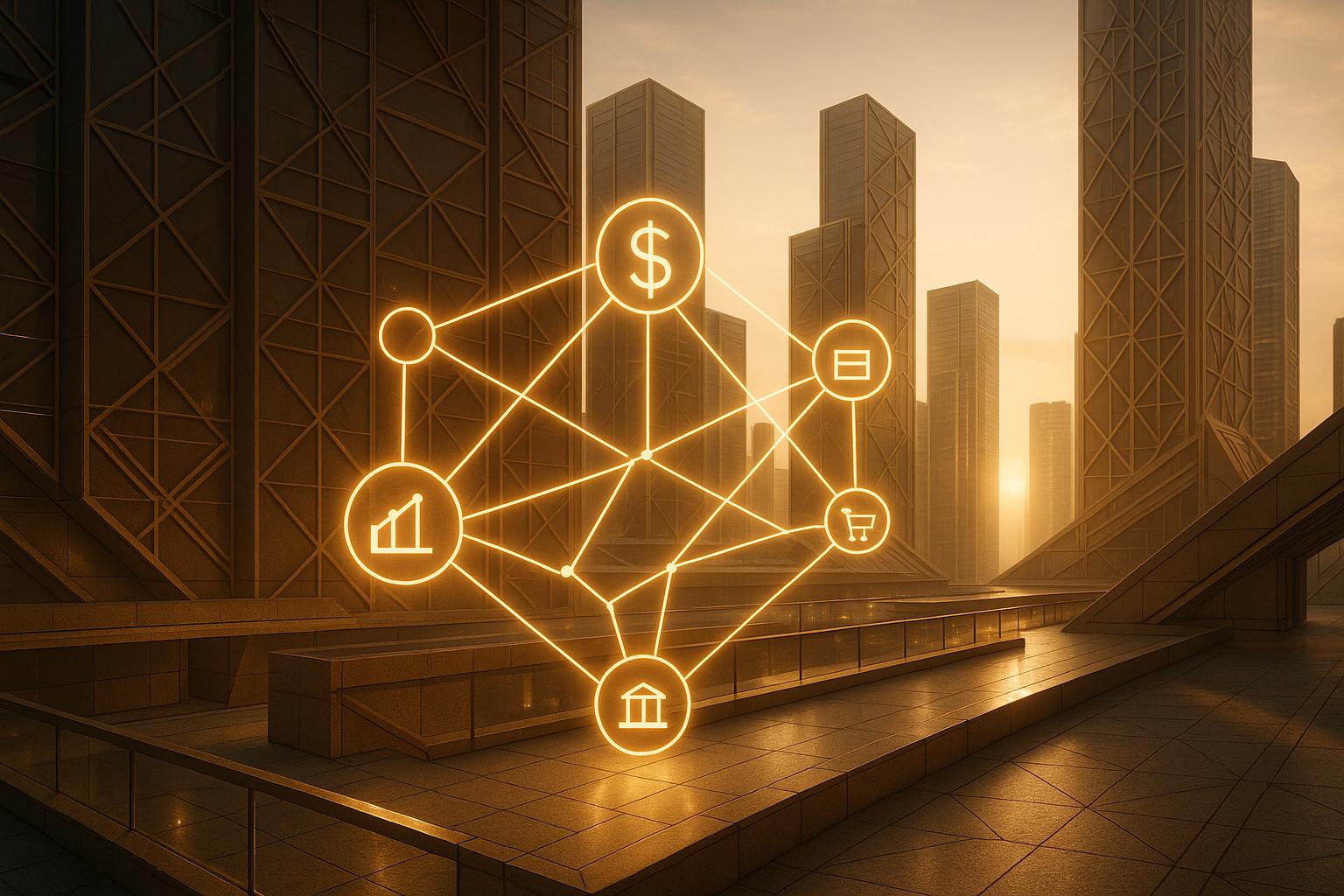

In crypto, many projects lose momentum after their initial hype due to poor token sink design. A token sink is a mechanism that removes tokens from circulation or creates demand for their use, helping control supply and stabilize value. Without these systems, tokens risk losing relevance as early investors sell off and demand dwindles.
Key takeaways:
Token sinks include burning tokens, staking, and utility-based mechanisms (e.g., paying for services or governance participation).
Effective sinks ensure tokens serve practical purposes, encouraging users to hold or use them instead of selling.
Flexibility is crucial - mechanisms must adjust to market conditions, like increasing burns in slower periods or offering better staking rewards during downturns.
Common methods: automatic burns, staking with rewards, and utility-driven token use (e.g., transaction fees or exclusive access).
Avoid mistakes like weak sinks, over-minting, or failing to update designs as user needs evolve.
Basic Principles of Token Sink Design
Crafting effective token sink mechanisms is all about balancing scarcity, utility, and adaptability. These principles are what separate projects that thrive from those that fade away.
Managing Supply and Demand
At the heart of any effective token sink is the principle of intentional scarcity paired with genuine demand. This doesn’t mean artificially squeezing supply but rather aligning token availability with how users engage with your ecosystem.
Pay attention to your token's velocity. If tokens are circulating too quickly, it often signals low holding incentives and potential instability. Token sinks can slow this down by giving users strong reasons to hold onto their tokens instead of cashing out immediately.
Timing is everything. When your ecosystem sees a surge in activity, token sinks should ramp up to remove more tokens from circulation. On the flip side, during slower periods, these mechanisms should ease off to avoid stifling liquidity. This dynamic approach ensures a healthy balance.
Smart projects don't rely on just one method to create demand. Instead, they introduce multiple ways to use or lock up tokens, which reduces the risk of instability if one use case loses appeal. For instance, combining permanent token burning with options like temporary staking can strike a balance between creating scarcity and maintaining flexibility.
Building Real Utility and Rewards
Token sinks only succeed when they’re tied to real, tangible value in your ecosystem. Users need to feel like engaging with tokens solves a problem or enhances their experience in a meaningful way.
For example, if someone stakes tokens to unlock premium features, they should genuinely feel like the benefits outweigh the cost. This kind of utility makes participation worthwhile.
Rewards also play a key role. They should be attractive enough to keep users engaged but sustainable over time. Striking this balance ensures your resources aren’t stretched too thin. Scaling rewards based on a user’s commitment level can also encourage deeper involvement while still allowing casual users to participate at their own pace.
Keep in mind that utility isn’t static. What users value during your project’s early days may evolve dramatically as your ecosystem grows. By designing utility with flexibility in mind, you can adapt to these changes without having to overhaul your entire tokenomics model.
Adjusting to Market Changes
Markets are unpredictable, and static token sink designs simply don’t hold up over time. To succeed, your token sinks need to be adaptive to shifts in user behavior, market conditions, and even regulatory landscapes.
Track key metrics like token velocity, staking rates, and user engagement to identify when adjustments are needed. Setting up alerts for significant changes can help you respond quickly and effectively.
Flexibility is key. Embed adjustable parameters in your smart contracts so you can tweak staking rewards or burning rates without needing complex redeployments. However, ensure governance approval is part of these changes to maintain trust and decentralization.
Market cycles also call for different strategies. In bull markets, users are more likely to lock up tokens in anticipation of gains, allowing for more aggressive sink mechanisms. Bear markets, however, require a more cautious approach, prioritizing liquidity and user retention over heavy token removal.
Finally, transparency is essential. When adjustments are needed, explain them clearly to your community. Lay out the reasoning behind the changes and how they benefit the ecosystem in the long run. This kind of open communication fosters trust and reassures users that changes are part of a well-thought-out strategy, not a reactionary move.
Common Token Sink Methods
Understanding how to effectively remove tokens from circulation is key to achieving your project's goals. Different methods serve different purposes, and each works best in specific scenarios.
Token Burning
Token burning permanently removes tokens, reducing the total supply and increasing scarcity.
One common method is automatic burns, where tokens are destroyed as a direct result of ecosystem activity. For example, every time users make a transaction, buy items, or use certain features, a portion of tokens is burned. This approach ties token destruction to user engagement, making it predictable and closely linked to the project's growth.
Another approach is revenue-based burning, where a portion of the project's earnings is used to buy and burn tokens from the market. This method is particularly effective for projects with steady revenue streams, as it creates consistent buying pressure while reducing supply.
Some projects introduce deflationary mechanics, where a small percentage of every transaction is burned. This creates a constant reduction in supply while maintaining balance in transaction costs and liquidity.
Burning has the advantage of being transparent and verifiable. Once tokens are burned, they’re gone for good, and anyone can confirm the burns on the blockchain. However, burning is most impactful when paired with strong demand drivers. Without demand, reducing supply alone won’t add long-term value.
Other methods, like staking, also temporarily take tokens out of circulation by locking them up for rewards.
Staking and Lock-Up Periods
Staking involves locking tokens for a set period in exchange for rewards or governance rights. While staked tokens eventually return to circulation, they create temporary scarcity during the lock-up period.
Flexible staking offers users the option to lock tokens for different durations, with longer commitments earning higher rewards. For instance, users might choose between a 30-day lock-up at 5% APY or a one-year lock-up at 15% APY. This accommodates varying preferences while reducing active supply.
Governance staking adds an extra layer of utility by granting voting rights to stakers. This approach is especially effective for decentralized autonomous organizations (DAOs), where community decision-making plays a central role.
Some projects implement progressive staking, where rewards increase the longer tokens are staked. Early withdrawals might incur penalty fees, which are redistributed to long-term stakers or even burned. This encourages users to commit for extended periods, further reducing circulating supply.
Staking offers flexibility for projects to adjust rewards, lock-up periods, and other parameters based on market conditions. For example, lower rewards might suffice during high-demand periods, while higher incentives might be necessary during downturns to keep participation steady.
Utility-Based Token Use
Creating practical uses for tokens naturally encourages spending, reducing the circulating supply while building demand.
Transaction fees are a sustainable way to achieve this. When users pay fees in tokens for core features, it generates organic demand while gradually removing tokens from circulation. Setting fees at reasonable levels ensures regular use without deterring activity.
Access passes and memberships are another option. Users can spend tokens to unlock premium content, join exclusive communities, or access special events. This not only reduces supply but also creates a clear value exchange.
In-ecosystem purchases allow users to buy goods or services using tokens. This is particularly effective in gaming ecosystems, where players spend tokens on upgrades, cosmetic items, or special abilities. Such spending provides immediate utility while lowering the active supply.
Service payments let users pay for ongoing benefits like subscriptions or professional services using tokens. This creates recurring demand and positions tokens as a legitimate medium of exchange within the ecosystem.
The strength of utility-based sinks lies in their natural demand. Users spend tokens because they see real value in doing so, rather than simply participating in tokenomics mechanisms. This creates a more sustainable and balanced ecosystem.
Token Redemption Programs
Redemption programs give users the option to exchange tokens for other assets or benefits, permanently removing those tokens from circulation. These programs provide clear exit strategies while retaining token value.
Stable asset redemption allows users to convert tokens into stablecoins or fiat currency at set rates. This offers price stability and reduces volatility, while also creating consistent demand. Offering redemption at slightly discounted rates can incentivize users to hold tokens longer before cashing out.
Product and service discounts are another effective method. Users can redeem tokens for discounts on a company’s products or partner services. For example, 100 tokens might provide a 20% discount on a subscription or merchandise, offering tangible value while reducing supply.
Exclusive access redemption creates urgency and exclusivity by allowing users to spend tokens on limited-time opportunities, special events, or rare items. To succeed, these opportunities must offer genuine value that users can’t find elsewhere.
Loyalty program integration bridges the gap between crypto and mainstream commerce. Users can redeem tokens for traditional rewards like airline miles, hotel points, or retail discounts, making tokens more appealing to a broader audience.
Redemption programs are most effective when they offer a variety of options at different price points. This ensures users with varying token holdings can participate while keeping redemption activity consistent. Regularly introducing new redemption opportunities helps maintain user interest and engagement.
How to Build Long-Term Token Sinks
Creating effective token sinks requires strategies that can adapt over time, ensuring consistent value retention even as market conditions shift.
Controlling Token Supply
Managing token supply is crucial for maintaining a sustainable ecosystem. Automated systems can help by using key metrics to decide when and how to reduce token availability.
Dynamic burning schedules are one way to regulate supply. These schedules adjust token destruction rates based on market demand. For instance, burns can be reduced during periods of high demand to preserve liquidity, while increased during low demand to enhance scarcity. However, this method requires careful fine-tuning to avoid overcorrecting and causing instability.
Buyback programs add another layer of control. In this approach, projects allocate a portion of their revenue to purchase tokens from the open market, which are then burned. This process creates buying pressure and reduces supply, but it’s most effective when combined with other mechanisms. Relying solely on buybacks can strain resources, especially during bear markets when conserving cash is critical.
Optimizing vesting schedules is another tool to prevent sudden supply shocks. By extending vesting periods and tying token releases to performance milestones, projects can create a steady and predictable token flow. For example, some projects use cliff schedules, where large amounts of tokens unlock only after hitting targets like user adoption or revenue goals.
By layering these supply management techniques, projects can build a more resilient token economy. If one mechanism falters, others can help maintain balance, ensuring token sinks remain effective even in volatile markets.
Smart Reward Systems
Once supply is under control, the focus shifts to aligning user rewards with the ecosystem’s overall health. Thoughtful reward systems encourage participation without undermining token value.
Rewards should adjust dynamically. For instance, reward rates can be reduced during bull markets and increased during bear markets. Tiered benefits can also reward high-value participants, while features like reward decay ensure unclaimed rewards diminish over time, encouraging active engagement and reducing the risk of destabilizing the economy.
Performance-based unlocking is another strategy that ties rewards to ecosystem health. If token velocity - how quickly tokens are being traded - rises too high, indicating selling pressure, the system could temporarily reduce reward payouts or extend vesting periods for earned tokens. This approach helps stabilize the token economy by responding to real-time conditions.
Tracking Performance and Building Trust
Continuous monitoring and transparency are key to ensuring token sink mechanisms work as intended and maintaining trust among users.
Real-time monitoring dashboards allow users to track metrics like tokens burned, staked amounts, and circulation changes. This level of transparency reassures users that the project is committed to its tokenomics.
Regular reporting schedules are equally important. Monthly or quarterly updates should include detailed metrics such as burn rates, staking participation, token utility, and supply changes. These reports help identify trends and highlight areas that may need adjustments.
Performance benchmarking compares actual results against projections. If token sinks are underperforming, projects can investigate and address the causes. On the flip side, overperformance might reveal opportunities to improve other parts of the token economy.
Community feedback integration ensures users have a voice in the process. Surveys, governance proposals, and community calls can uncover valuable insights and potential improvements. This collaborative approach helps identify and resolve issues early.
Third-party audits provide independent verification of token sink operations. Auditors can confirm that burning mechanisms are functioning correctly, rewards are distributed as promised, and reported metrics are accurate. This external validation builds confidence among investors and users who might be wary of self-reported data.
Predictive modeling is another valuable tool. By simulating different market scenarios, user growth rates, and adoption patterns, projects can anticipate challenges and prepare solutions in advance.
Common Token Sink Mistakes to Avoid
Even the most well-thought-out projects can stumble when it comes to token sinks. Spotting and addressing these common issues early can help you build a more stable and effective token economy.
Weak Token Sinks That Don't Work
Token sinks without meaningful utility often fail in the long run. A major issue is when tokens lack practical use. For instance, if tokens are limited to governance voting or small platform discounts, they don’t offer enough value to encourage users to hold onto them. Without tangible benefits, users are more likely to sell quickly, increasing market pressure.
Over-minting is another common pitfall. When too many tokens are issued, it disrupts market stability and diminishes their value.
Additionally, poorly designed incentives can backfire. Rewarding users for trivial activities - like sharing posts on social media or logging into a platform - might drive short-term engagement but often leads to immediate selling. This undermines the long-term health of the ecosystem.
The solution? Build real utility into your tokens. Make them essential for accessing premium features, attending exclusive events, or unlocking advanced platform tools. When tokens serve a clear purpose, they naturally create demand, strengthening your token sinks.
Supply management is equally critical. Start with a well-thought-out plan. Limit token allocations to team members and advisors to reasonable percentages, and set extended vesting schedules tied to performance milestones. If early allocations seem too generous, consider adding lock-up periods or requiring token staking before recipients can access their full share.
Not Updating Your Design
Tokenomics isn’t a "set-it-and-forget-it" process. Market trends, user behavior, and competition evolve, and failing to adapt your token sink design can lead to problems as your ecosystem grows.
For example, user priorities often shift over time. Early adopters may value features that appeal to crypto enthusiasts, while mainstream users might prioritize ease of use and broader utility. If your token sinks cater only to one group, you risk alienating others as your audience grows.
Competition also plays a role. New projects with more attractive token designs can make your system feel outdated, reducing its effectiveness.
To stay ahead, schedule regular reviews - quarterly is a good starting point. Monitor key metrics like token velocity, staking rates, and user retention. Compare these figures to your initial goals and industry benchmarks to identify areas that need improvement. Engage your community through surveys or governance discussions to gather feedback, and use scenario planning to test adjustments. Regular reviews and community input help ensure your tokenomics stay relevant and effective.
How to Fix Common Problems
Addressing token sink issues quickly and systematically is crucial. Spotting the warning signs early can help you implement effective solutions before problems spiral out of control.
Problem | Symptoms | Solutions |
|---|---|---|
High Token Velocity | Rapid token turnover, short holding periods, frequent post-reward selling | Extend staking periods, introduce holding bonuses, and improve token utility |
Low Staking Participation | Few tokens staked, declining staking rates over time | Increase staking rewards, offer exclusive perks for stakers, and simplify the staking process |
Insufficient Burning | Token supply grows faster than burns, minimal deflationary impact | Raise burn rates, add more burn triggers, and explore revenue-based buyback programs |
Reward Dumping | Rewards are sold immediately, causing price drops | Implement vesting schedules and holding requirements |
Utility Gaps | Tokens aren't used for essential platform features | Make key features token-exclusive and improve the overall user experience for token transactions |
When implementing fixes, timing is everything. Gradual changes often work better than sweeping overhauls, which can lead to unintended consequences. For example, if staking participation is low, slowly increasing rewards over a few weeks can help you find the ideal rate without destabilizing the system.
Clear communication is also vital. Let users know why changes are being made and how they’ll benefit. This builds trust and encourages continued participation during transitions.
Whenever possible, test changes on a small scale - using pilot programs or testnets - before rolling them out across your entire ecosystem. This allows you to spot and address potential issues early.
Finally, track the impact of your updates with clear success metrics. If the results aren’t meeting expectations, don’t hesitate to tweak your approach. Flexibility and responsiveness are key to maintaining a healthy token economy.
Conclusion: Building Token Value That Lasts
Main Takeaways
Creating effective token sinks isn’t just a one-time task - it requires careful planning from the outset, continual monitoring, and a focus on real-world utility. The most successful Web3 projects view token sink design as an ongoing process, adapting to shifts in market conditions and user behavior over time.
Start with a utility-driven approach. Tokens should serve meaningful purposes, such as unlocking premium features, enabling governance participation, or granting access to exclusive content. These utilities drive consistent, organic demand, ensuring the token retains value even after the initial buzz fades.
Regularly reviewing key metrics like token velocity, staking rates, and user retention is essential. Catching issues early - like excessive token velocity or low staking activity - allows for timely interventions that prevent larger problems down the line.
Community involvement plays a pivotal role in sustaining long-term success. Transparent communication about changes to tokenomics builds trust, while actively engaging users through surveys and governance discussions helps align token sinks with their evolving needs. Projects that prioritize community input tend to see higher adoption and stronger participation.
Algorithmic token sink models, which adjust dynamically based on economic indicators, can help maintain balance as your ecosystem grows. Additionally, hybrid "burn and earn" models are gaining traction. These approaches reward users for participating in token sinks while simultaneously creating scarcity, striking a balance between incentives and long-term value.
Finally, expert advice can provide an extra layer of security and refinement for your token strategy, ensuring your project is well-positioned for lasting success.
Getting Professional Help
While these strategies lay a solid foundation, designing robust token sinks often requires specialized expertise. Professional tokenomics advisors bring the technical knowledge and strategic insight needed to create models that attract investment and foster active, engaged communities.
Expert consultants can also stress-test your token economy using dynamic simulations. These tools highlight potential weak points and show how factors like growth, user behavior, and market changes might impact your ecosystem over time.
For entrepreneurs looking to build sustainable token economies, platforms like Tokenomics.net offer comprehensive support. Their services focus on long-term growth, covering everything from initial token sink design to fundraising strategies and investor presentations.
"His expertise and insights were invaluable and his contributions significantly elevated our work. He not only provided us with top-notch guidance but also inspired our team with his passion and commitment." - Bruno Calabretta, CEO, DFinance
Investing in professional guidance can help you avoid common pitfalls and ensure your project is scalable from the start. Whether you’re launching a new token sink or refining an existing one, expert input accelerates development and improves outcomes. In many cases, the benefits of professional tokenomics design far outweigh the costs, leading to stronger fundraising results and a more engaged community.
FAQs
What are the most common mistakes to avoid when creating token sinks for a crypto project?
When creating token sinks, it's crucial to steer clear of some common missteps that can undermine their effectiveness:
Superficial token sinks: These lack depth and fail to offer lasting value or utility for the token, eventually reducing its demand.
Excessive token emissions: Releasing too many tokens too quickly can saturate the market, eroding their value.
Flawed vesting schedules: Poorly planned vesting or unlock timelines can trigger mass sell-offs, disrupting the token's price stability.
Generic models: Applying a one-size-fits-all approach often overlooks the unique needs of your ecosystem, making the sinks less impactful.
For better results, design token sinks that align closely with your project's specific objectives and focus on delivering sustainable, long-term value to your token holders.
How can blockchain projects keep their token sinks effective as market conditions and user behaviors evolve?
To ensure token sinks remain effective, projects need to incorporate adjustable systems that can respond to evolving market dynamics. For instance, mechanisms that modify token supply or demand based on metrics like transaction activity or user engagement can help maintain balance and relevance.
Keeping a close eye on user behavior and token performance is equally important. By analyzing data and experimenting with different strategies, projects can refine their token sinks to better meet user expectations and adapt to market shifts. The ability to evolve and adjust is essential for preserving the value and utility of tokens over time.
What are the advantages of using a hybrid 'burn and earn' model in token sink design?
A hybrid "burn and earn" model strikes a balance in managing the demand and supply of tokens. On one side, burning tokens reduces the circulating supply, which can help maintain scarcity and potentially support the token's value over time. On the other side, the "earn" element motivates user engagement by rewarding participants, encouraging a more active and loyal community.
This approach not only minimizes the risk of value loss but also promotes long-term stability by driving consistent demand while ensuring users remain meaningfully involved in the ecosystem.